
AAH Fellows
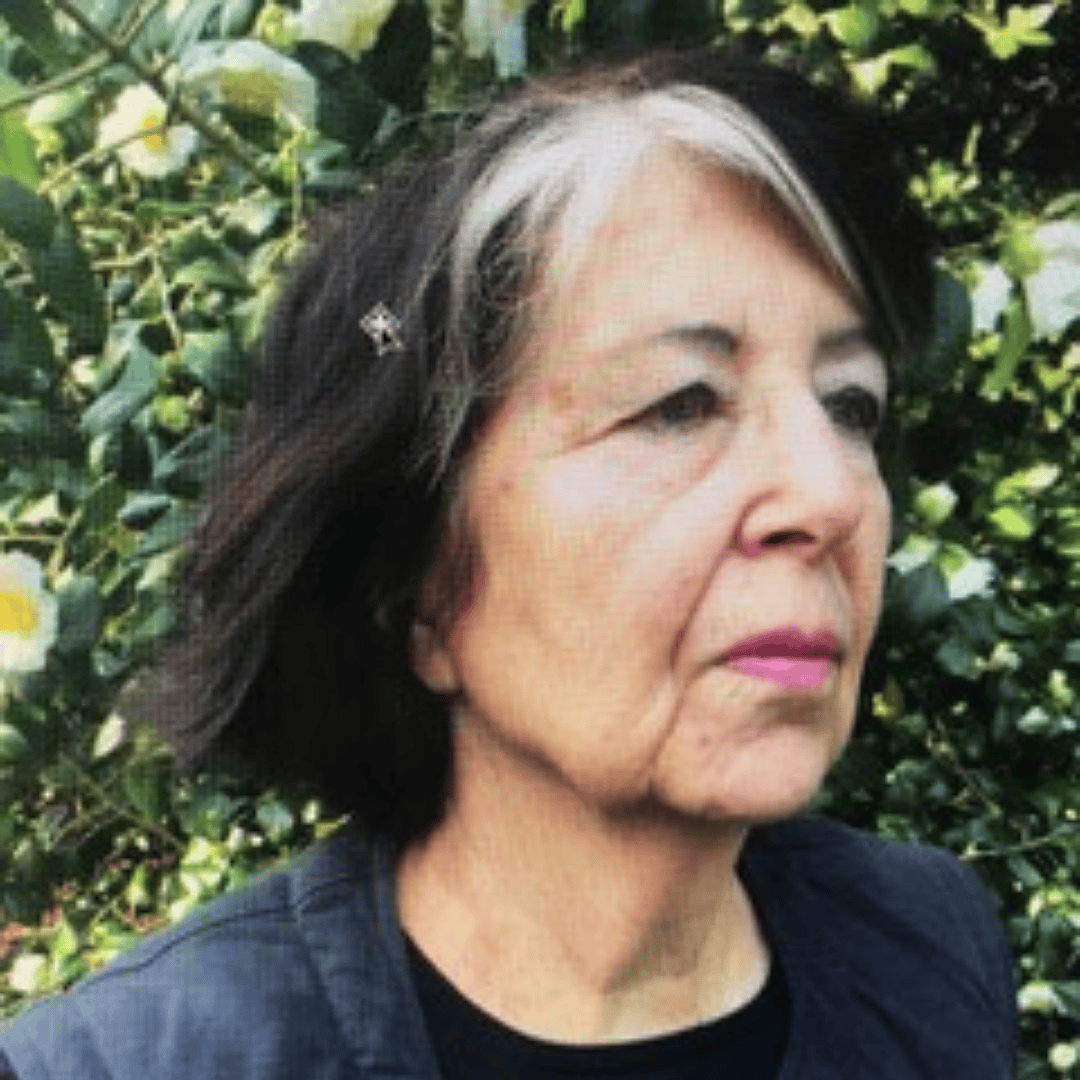
Dawn Ades | Professor Emerita, History and Theory of Art, University of Essex
Dawn Ades is Professor Emerita of the History and Theory of Art at the University of Essex, where she taught from 1968 to 2008. She pioneered the study of Latin
American Art and founded, together with Valerie Fraser, the University art collection
now known as ESCALA. Her research has otherwise largely focused on Dada and
Surrealism, and more recently on the women artists associated with these movements. Her books include Photomontage (Thames & Hudson 1976/1981), Salvador Dalí (1982), André Masson (1994), Siron Franco (Brazil 1996) Marcel Duchamp (with N.
Cox and D. Hopkins, 2000), Selected Writings (2015).
She has organized or co-curated many exhibitions in the UK and internationally,
and written, edited or contributed essays to their catalogues, including Dada and
Surrealism Reviewed (1978); Art in Latin America: the Modern Era 1820-1980
(1989); Dalí’s Optical Illusions (2000); Salvador Dalí: the Centenary Exhibition
(2004); Undercover Surrealism: Georges Bataille and Documents (2006); Close-Up:
Proximity and Defamiliarisation in Art, Photography and Film (2008); The Colour of my Dreams: the Surrealist Revolution in Art (2011) and Dalí/Duchamp (Royal
Academy 2017). She was Associate Curator for Manifesta 9 (2012). She is Professor of the History of Art at the Royal Academy, a former trustee of Tate
(1995-2005), the National Gallery (2000-2005), the Henry Moore Foundation and the
Freud Museum, and currently trustee of the Elephant Trust and the Estorick Collection. She is a Fellow of the British Academy and in 2013 was made CBE for services to higher education.

Rasheed Araeen | Artist, Writer, Curator
Rasheed Araeen is a London-based artist, activist, writer, editor, and curator. In 1964, he moved to the United Kingdom from Pakistan, where he had initially trained as a civil engineer. Araeen is recognized as the father of minimalist sculpture in 1960s Britain.
His work in performance, photography, painting, and sculpture throughout the 1970s to 1990s challenged Eurocentrism within the British art establishment and championed the role of minority artists, especially those of Asia, African, and Caribbean descent. In addition to his artistic practice, he took on activist roles with organisations such as the Black Panthers and Artists for Democracy, and founded the critical journals Black Phoenix, Third Text, and Third Text Asia.
Araeen organised the seminal 1989 exhibition, The Other Story: Afro-Asian Artists in Post-War Britain, which was held at Southbank Centre, London. Author of numerous essays and journals, he has written Art Beyond Art: Ecoaesthetics—A Manifesto for the 21st Century (Third Text Publications, London, 2010) and the autobiographical Making Myself Visible (Kala Press, London, 1984).
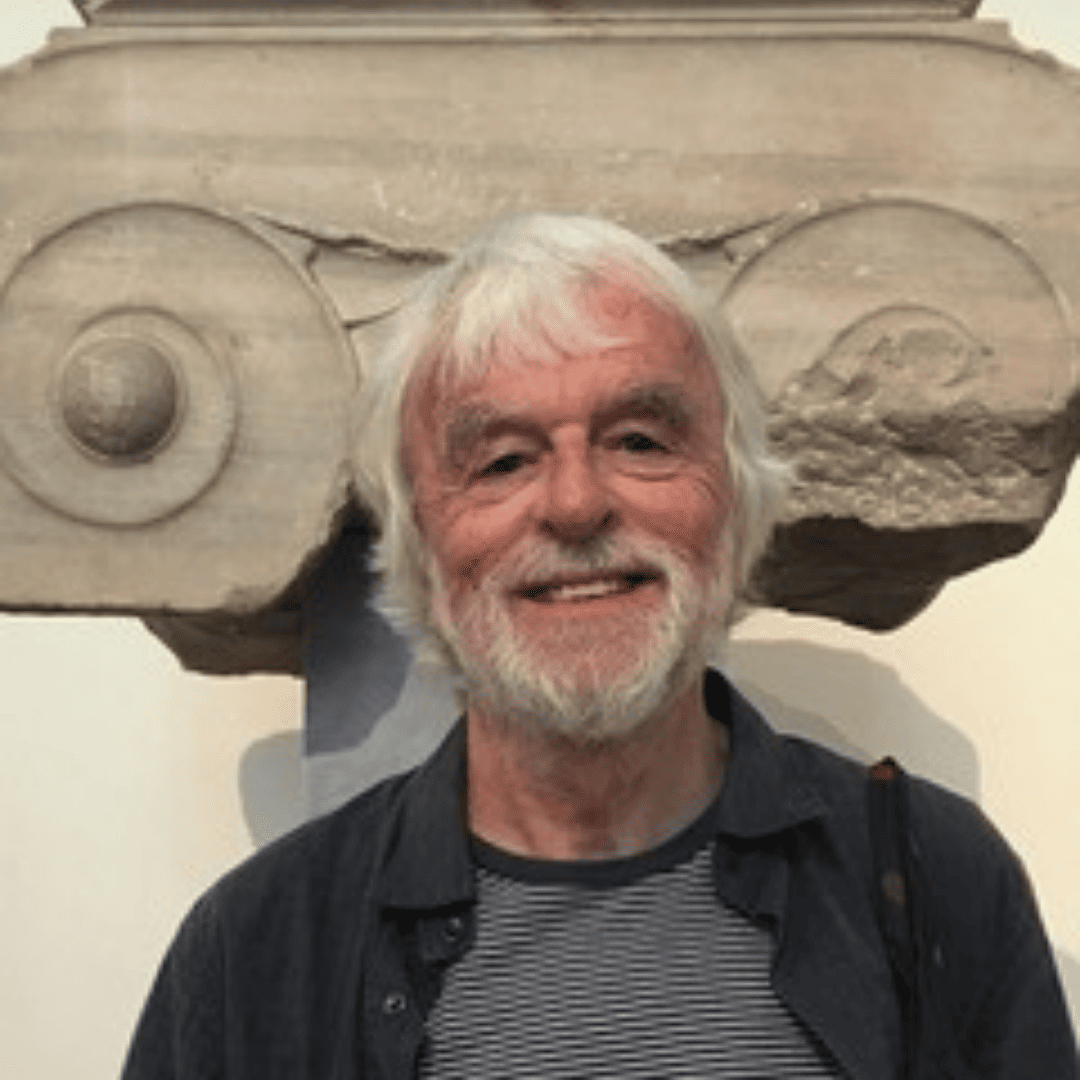
T.J. Clark | Professor Emeritus, University of California, Berkeley
T. J. Clark was born in Bristol, England in 1943, took a B.A. in Modern History at Cambridge, and a Ph.D. in Art History at the Courtauld Institute, University of London. He taught at
various places in England and the USA, and from 1988 to 2010 at the University of California, Berkeley, where he is George C. and Helen N. Pardee Chair Emeritus. Clark is the author of a series of books on the social character and formal dynamics of modern art: The Absolute Bourgeois: Artists and Politics in France 1848-1851 (1973); Image of the People: Gustave Courbet and the 1848 Revolution (1973); The Painting of Modern Life: Paris in the Art of Manet and his Followers (1984); and Farewell to an Idea: Episodes from a History of Modernism (1999); as well as Afflicted Powers: Capital and Spectacle in a New Age of War (written with “Retort,” 2005); The Sight of Death: An Experiment in Art
Writing (2006); Picasso and Truth: From Cubism to Guernica (2013); and a book accompanying an exhibition at Tate Britain, co-authored with Anne M. Wagner, Lowry and the Painting of Modern Life (2013)

Patricia Allmer | Professor, Modern and Contemporary Art History, University of Edinburgh
Patricia Allmer is Professor of Modern and Contemporary Art History at the University of Edinburgh.
Her ground-breaking books, exhibitions, and essays have transformed the study of
modern and contemporary women artists and Surrealism, starting in 2009 with her
curation of the award-winning Angels of Anarchy: Women Artists and Surrealism at
Manchester Art Gallery.
Her books include the recent The Traumatic Surreal: Germanophone Women Artists and Surrealism after the Second World War (2022), Lee Miller: Photography,
Surrealism and Beyond (2016), and the edited collection Intersections: Women
Artists/Surrealism/Modernism (2016).
She is also a major international scholar of René Magritte, publishing three books on
him and delivering the 2017-18 International Émile Bernheim Programme lectures in
Brussels.
Her co-curated projects (with John Sears) include Taking Shots: The Photography of
William S. Burroughs (2014), and 4 Saints in 3 Acts: A Snapshot of the American
Avant-Garde (2018), both at The Photographers’ Gallery, London. These exhibitions
significantly expanded critical understanding of modernist avant-gardes.
She is currently working on two monographs focussing on women artists in relation
to trans-medial and trans-Atlantic developments in Surrealism.

gus Casely-Hayford | Director, V & A East; Professor of Practice, SOAS
Gus Casely-Hayford, OBE is a curator and cultural historian. He is Professor by Practice at SOAS and Founding Director of V&A East, presently under construction. He was Director of the Smithsonian, National Museum of African Art. Casely-Hayford has been a constant champion for the arts.
He presented two series of The Lost Kingdoms of Africa for the BBC (and wrote the companion book) as well as two series of Tate Britain: Great Art Walks for Sky. His TED talk on Islamic culture has been viewed more than a million times. As former Executive Director of Arts Strategy, Arts Council England and Ex-Director of the Institute of International Contemporary Art, he has offered leadership to both large and medium scale organizations. He has lectured widely on art and culture,
including periods at Sotheby’s Institute, Goldsmiths, Birkbeck, City University, University of
Westminster and SOAS. He has advised national and international bodies on heritage and culture including the United Nations. In 2005, he led the biggest celebration of Africa that Britain has ever hosted with Africa 2005. Amongst a range of honours, he has been awarded a Kings College cultural fellowship for service to the arts and a SOAS Honorary Fellowship for service to Africa.

Partha Mitter | Emeritus Professor in Art History, University of Sussex
Partha Mitter arrived in England in 1962, from India to pursue a career in painting and to study for a degree in history. The first lecture that he heard was delivered by Gombrich, on re-interpreting Hegel. Overwhelmed by his delivery and content, as a result Mitter’s career took a dramatic and unexpected turn. Reading and re-reading Art and Illusion, he became determined to get to know Gombrich, and eventually worked with him for his doctoral degree. The outcome was Much Maligned Monsters: History of European Reactions to Indian Art (1977), published a year before Said’s celebrated Orientalism (1978).
His next project looked at the reception of western art practices and institutions in India, imposed by the British Raj to inculcate good taste in Indians, focussing on the period from the 1920s to 1940s. In 2008, he published in Art Bulletin the essay ‘Decentering Modernism: Art History and Avant-Garde Artists from the Periphery’. From 1974 to 2002 he taught art history at the University of Sussex. Between 2008 and 2019 he worked with the Bauhaus Foundation in Berlin and Dessau on ‘decentring’ the Bauhaus, and at present is developing the concept of the ‘virtual cosmopolis’ as a way of understanding cultural encounters.
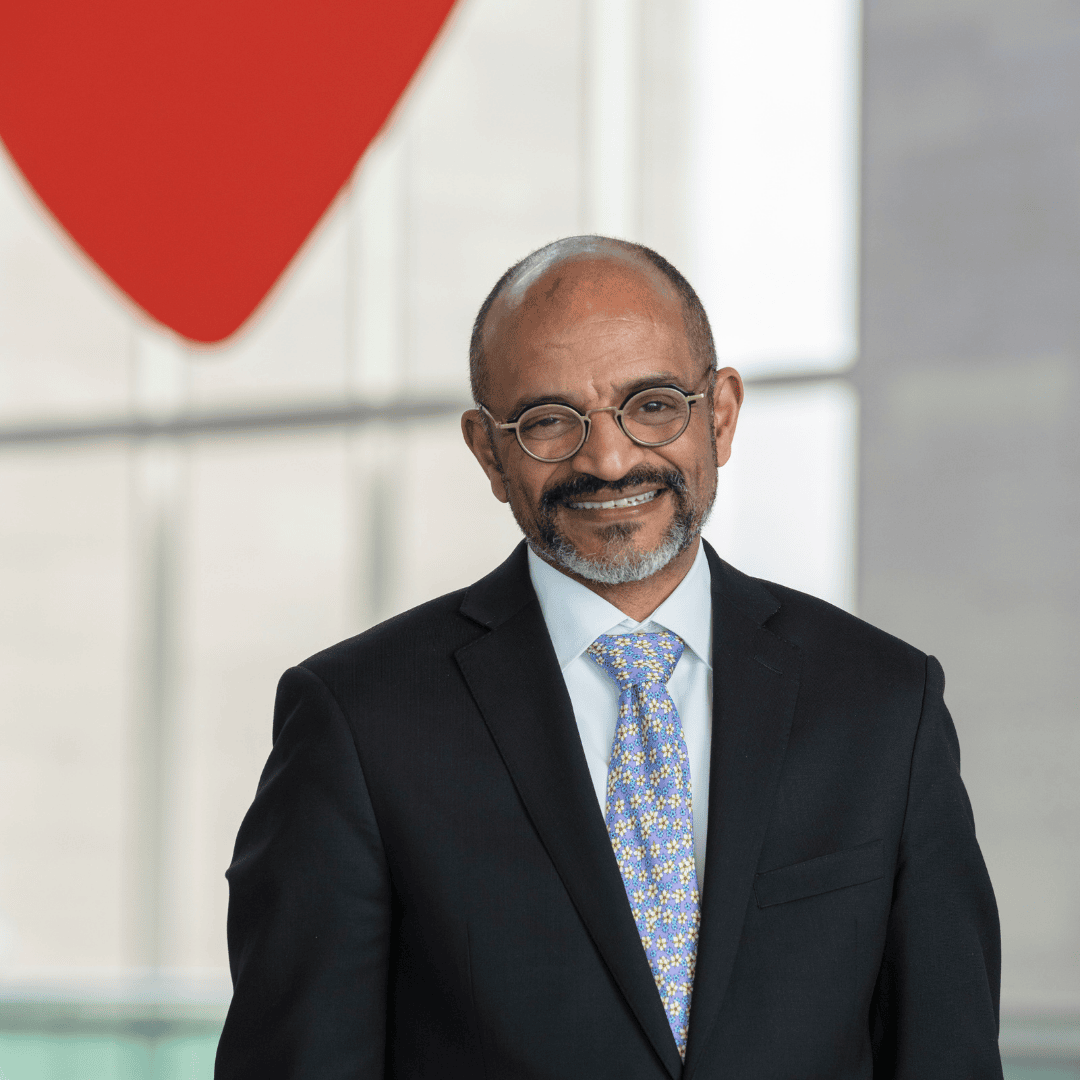
Steven Nelson | Dean of the Center for Advanced Study in the Visual Arts, National Gallery of Art, Washington, DC & Professor Emeritus, University of California, Los Angeles
Bio to follow.

Sarah Phillips | Author of the Art History A-Level & Advisory Board Member for Art UK
Sarah Phillips is a graduate of the Courtauld Institute and the Head of Art History at Godalming Sixth Form College. She is the author of the current Art History A Level, which introduced art from beyond the European tradition for the first time at this level. She is Pearson’s ‘Ask the Expert’ subject adviser, trainer, and a Principal Examiner. She took a prominent role in the campaign to save the A Level and presented at the Courtauld’s The Future of Art History debate.
She is a council member for NSEAD; an Advisory Board member for Art UK, as well as a lead contributor on the PG Diploma course at the University of Leeds, presenting and advising on the implementation of art history across the school curriculum. Sarah has worked as an outreach advisor to the Universities of Sussex and Brighton and works closely with the Association for Art History alongside working as a teacher, writer, and speaker for Art History in Schools. She writes regularly for AD Magazine.

Griselda Pollock | Professor, Social & Critical Histories of Art & Director, Centre for Cultural Analysis, Theory & History, University of Leeds
Griselda Pollock is Professor of Social & Critical Histories of Art and Director of Centre for Cultural Analysis, Theory & History (CentreCATH) in the School of Fine Art, History of Art & Cultural Studies (FAHACS), at the University of Leeds. For almost half a century, she has dedicated her work to creating and extending an international, postcolonial, queer feminist analysis of the visual arts, visual culture, and cultural theory.
Combining rigorous art historical analysis with a wide-ranging practice as a feminist cultural theorist bridging Marxism, feminism, and psychoanalysis, she has been committed to teaching and researching, decolonizing and expanding the ways we study and interpret art and visual cultures of the past and present as a way to understand and critique the world around us.
Her many books, articles, and exhibitions contribute to a radical integration of the work of many artist-women worldwide while recognising the critical significance of both difference and specificity, with special reference to Mary Cassatt, Chantal Akerman, Lubaina Himid, Mary Kelly, Alina Szapocznikow, Vera Frenkel, Anna Maria Maiolino, Christine Taylor Patten, and Bracha Ettinger.
Recently published are her monograph, Charlotte Salomon and the Theatre of Memory (Yale, 2018), and the edited collection, with Max Silverman, Concentrationary Art: Jean Cayrol, the Lazarean and the Everyday in Post-war Film, Literature, Music and the Visual Arts (Berghahn, 2019), which is the fourth in a series of books on Concentrationary Memory: The Politics of Representation that include Concentrationary Cinema (2011), Concentrationary Memories (2013), and Concentrationary Imaginaries (2016). This includes a study of the work of Susan Philipzs.
Forthcoming work includes on cinema: Monroe’s Mov(i)es: Class, Gender and Nation in the work, image-making and agency of Marilyn Monroe (2021); feminism and memory: Is Feminism a Bad Memory? (Verso, 2020); and the realisation of her work on Van Gogh: The Case against “Van Gogh”: Memory, Place and Modernist Disillusionment (Thames & Hudson, 2021).

Kobena Mercer | Professor, History of Art and African American Studies, Yale University
Kobena Mercer is Professor of History of Art and African American Studies at Yale University, where his teaching and research on African American, Caribbean, and Black British art brings cultural studies methods to modern and contemporary Black Atlantic worlds. He has taught at Middlesex University, London; New York University; University of California Santa Cruz; and Goldsmiths College, University of London, where he earned his PhD. Educated in Ghana and England, he is an inaugural recipient of the Clark Prize for Excellence in Arts Writing, awarded by the Sterling and Francine Clark Art Institute in 2006.
Mercer’s first book, Welcome to the Jungle: New Positions in Black Cultural Studies (1994), was a major contribution to multiple fields and was followed by monographic studies of James Van Der Zee, Romare Bearden, Adrian Piper, Rotimi Fani-Kayode, Keith Piper, and Isaac Julien. His recent essay collection, Travel & See: Black Diaspora Art Practices since the 1980s (2016), examined artists such as John Akomfrah, Renée Green, and Kerry James Marshall, showing how black artists contributed to art’s transformation in an age of globalization, as Mercer also showed in Vol. V, Part 2 of The Image of the Black in Western Art (2014). Mercer edited and introduced Stuart Hall’s The Fateful Triangle: Race, Ethnicity, Nation (2017), and prior to that he conceived and edited the Annotating Art’s Histories series, published by MIT, whose titles are Cosmopolitan Modernisms (2005), Discrepant Abstraction (2006), Pop Art and Vernacular Culture (2007), and Exiles, Diasporas & Strangers (2008).
Over the last few years, his exhibition catalogue contributions include Wifredo Lam at Centre Pompidou, Frank Bowling at Haus der Kunst, Adrian Piper at Museum of Modern Art, New York, and Theaster Gates at Tate Liverpool. Mercer’s forthcoming book is Alain Locke and the Visual Arts, published by Yale University Press in 2022.

Lynda Nead | Professor, Courtauld Institute of Art; formerly Pevsner Professor, History of Art, Birkbeck, University of London
Bio to follow.

Caroline Osbourne | Founder of Art History in Schools & Lead Tutor and co-author of the online Art History A Level
Caroline Osborne founded Art History in Schools CIO to increase access to art history education for young people within the state sector, and organises regular events, professional development days, and free resources for teachers on global arts and architecture. She has taught Art History in Sixth Forms and Higher Education for almost 40 years and is the Lead Tutor and co-author of the National Extension College online Art History A Level.
A graduate of Nottingham and Sussex universities, she joined the Association of Art Historians in 1981 and has since been active on many committees. She initiated the AS Level outreach programme with Penny Huntsman, and with Esmée Fairbairn funding trained graduates to teach on it. Since it was relaunched in 2013, her annual Higher Education Conference and Fair for school students makes links between schools, universities, and the museum sector.

Marcia Pointon | Pilkington Professor, University of Manchester & freelance researcher
Marcia Pointon grew up in the North of England and studied English and History of Art at the University of Manchester. Her Master’s dissertation became her first book, Milton and English Art (1970). She was awarded a Ph.D. in 1974, and Manchester recognised her further contribution to the University in 2003 when she was made Doctor of Letters, and returned to Manchester in 1992 as Pilkington Professor of History of Art.
She worked for the Open University in the first year of its foundation and was appointed as a post-doctoral fellow at the Barber Institute, University of Birmingham in 1973. In 1975 she became Lecturer in the History of Art at the University of Sussex, where her commitment to cross-disciplinary studies was cemented. Since retiring in 2003, Marcia has continued to research and publish extensively, as well as working part-time as a research mentor.
She was a founding member of the Association for Art History, where she was Chair from 1986–89 and subsequently editor of Art History from 1992–97. She has been a Trustee of the Art Fund since 2015 and a member of the NPG Research Advisory Board since 2014. Her extensive publications (including 12 single-authored books and several edited volumes) range widely across ‘flat art’ and material culture. Her handbook for students, first published in 1980, is now in its fifth edition.

Lisa Tickner | Emeritus Professor, Art History, Middlesex University & Honorary Professor, Courtauld Institute of Art
Lisa Tickner studied fine art before switching to art history and completing a Ph D on
the arts and crafts movement in 1970. She is Emeritus Professor of Art History at Middlesex University and Honorary Professor at the Courtauld Institute, where she taught from 2007-2014.
Her books include The Spectacle of Women: imagery of the suffrage campaign 1907-
1914 (1988), Modern Life and Modern Subjects: British art in the early 20th century
(2000, shortlisted for the British Academy Book Prize) and London’s New Scene: art and culture in the 1960s (2020, shortlisted for the W M Berger Prize). She is co-editor of four collections of essays on visual culture published 1993-6, and co-editor with David Peters Corbett of British Art in the Cultural Field, 1939-1969 (2012).
Lisa Tickner has held visiting fellowships at Northwestern University, the Yale Center for British Art, and the Sterling and Francine Clark Institute. She has served on the Humanities Research Board (now the Arts and Humanities Research Council), the British National Committee of the Comité International d’Histoire de l’Art, the Blue Plaques Panel of English Heritage, and as a Trustee of the Art Fund from 2010-20.
She was elected a Fellow of the British Academy in 2008.
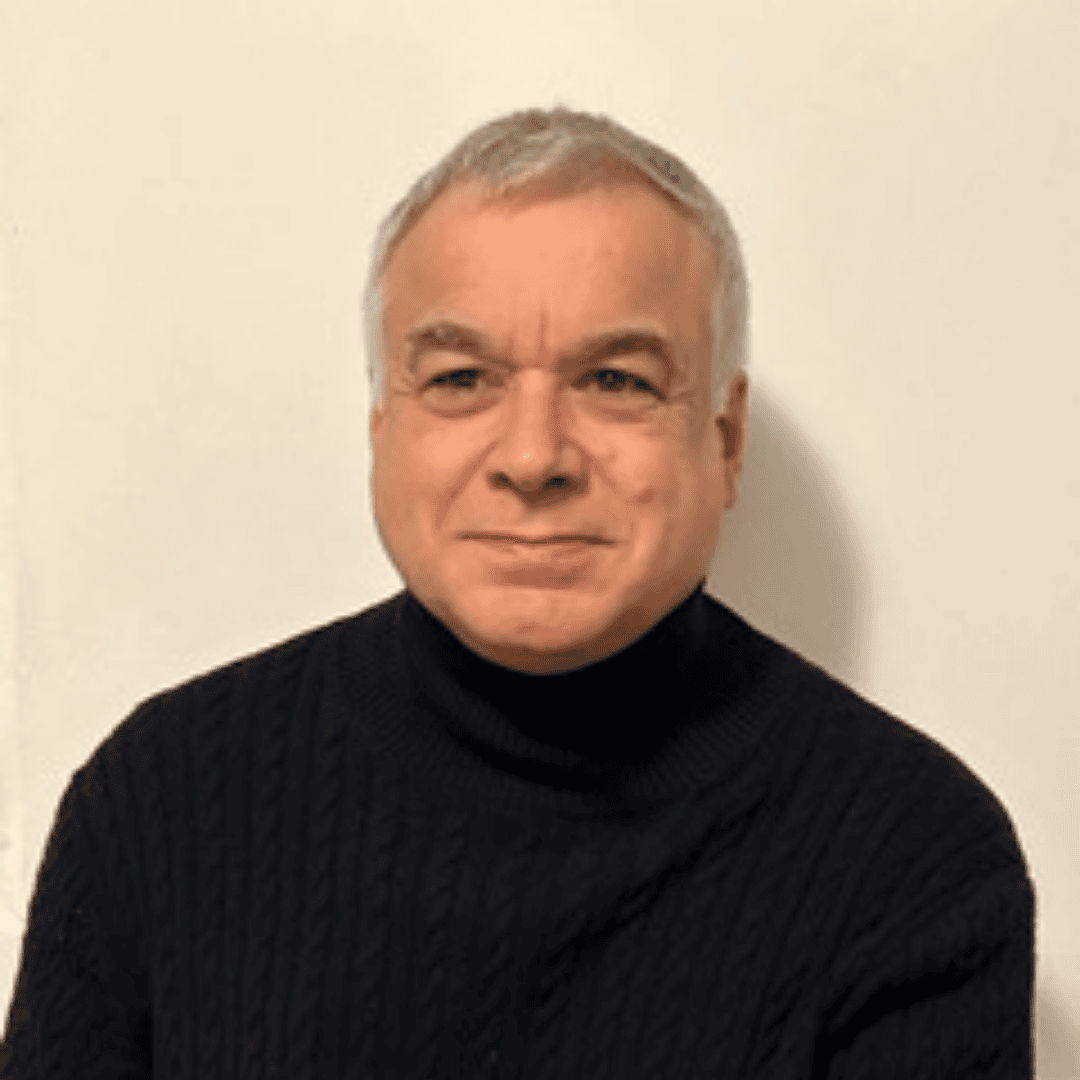
ADRIAN LOCKE | Curator of award-winning international AND cross-cultural exhibitions
After completing a PhD in the Department of Art History and Theory at the University of Essex in 2001 Adrian Locke joined the Exhibitions Department at the Royal Academy of Arts. Since then he has worked on a diverse portfolio of over twenty ground-breaking and award winning exhibitions that range from major surveys of contemporary artists, including Anish Kapoor, Ai Weiwei, and William Kentridge to cultural explorations such as Aztecs, Turks: A journey of a Thousand Years, 600-1600, Byzantium 330-1453, and Oceania, and smaller, focussed exhibitions such as Mexico: A Revolution in Art, 1910-1940, Leon Spilliaert, and Rita Angus: New Zealand Modernist. He has lectured and published widely. His last exhibition at the RA was Kerry James Marshall: The Histories.
Adrian has also worked collaboratively on exhibitions for other institutions, including Art Exchange at the University of Essex, Colchester; Minories, Colchester; Casa de América, Madrid; Philadelphia Museum of Art; Museum of New Zealand Te Papa Tongarewa, Wellington; Taipei Museum of Fine Art; the Brazilian Embassy in London and the V&A.
He was a Visiting Fellow at the University of Essex, 2014-16 and in 2018 was awarded the Orden do Rio Branco by the Brazilian government for services to culture.
Adrian is now working as an independent curator and art consultant.
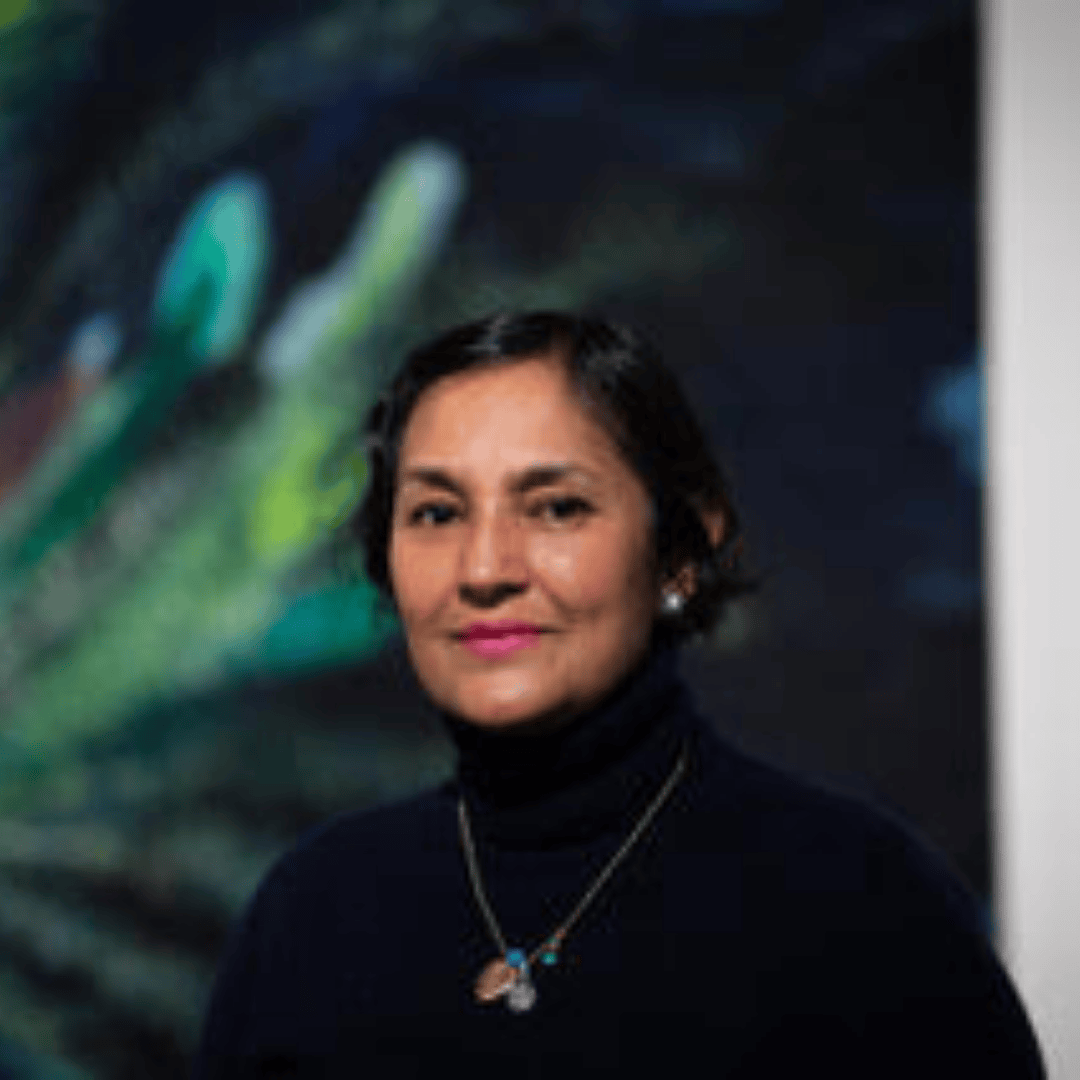
Sutapa Biswas | artist and educationalist
Sutapa Biswas is a London-based artist and educationalist. Born in Santiniketan, India, she moved to the UK as a child and later studied Fine Art and Art History at the University of Leeds. There, as noted by art historian Griselda Pollock, Biswas transformed the course by challenging her tutors from the very first week to confront and redress its Eurocentric foundations.
As an undergraduate, Biswas created now iconic, feminist works that questioned imperialist readings of art and art history, including Housewives with Steak-knives and Kali. Both were later exhibited in Lubaina Himid’s landmark ICA exhibition The Thin Black Line (1985), cementing Biswas’s position as a key figure in the Black British Arts Movement. Over her career, she has exhibited nationally and internationally at Tate, the British Museum, the Art Gallery of Ontario, the Havana Biennial, and the Neuberger Museum, New York. Recent solo exhibitions include Kettle’s Yard, the BALTIC, and Autograph ABP. Between 2023-25, her works were included in Tate’s major touring exhibition ’Women in Revolt! Art and Activism in the UK 1970 to 1990.
For over 40 years, Biswas has taught in UK higher education, influencing generations of artists. Her work is held in major collections, including those of Tate, Bristol, and Sheffield Museums. Her accolades include fellowships at Yale University and The Banff Centre for the Arts, and awards from Art Fund UK and Art360 Recollect with DACS.
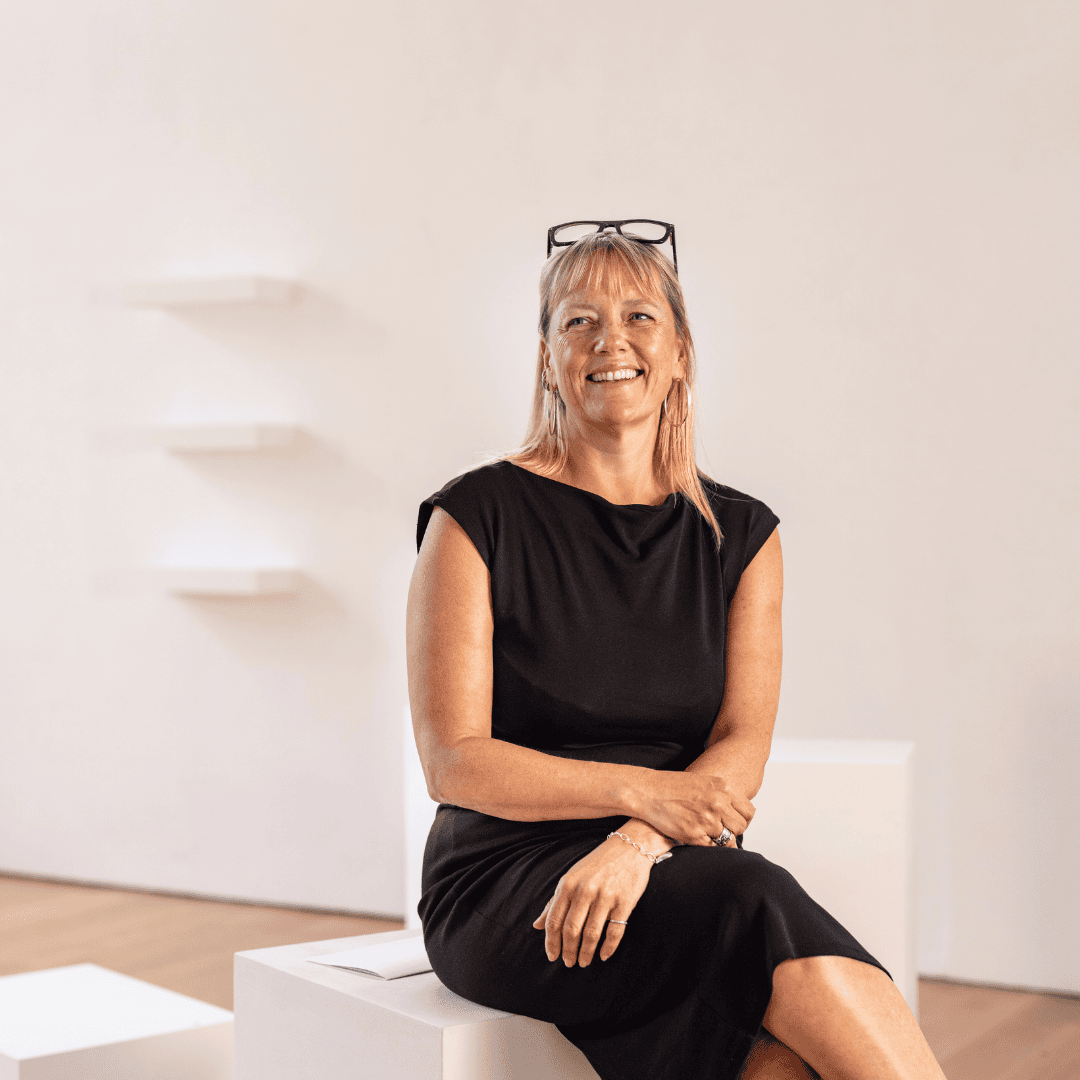
Abigail Harrison Moore | Professor of Art History and Museum Studies at the University of Leeds
Professor of Art History and Museum Studies at the University of Leeds, Abigail’s research focuses on 19th and early 20th-century art and design history. Her monograph, Fraud, Fakery and False Business (Continuum, 2011), considered the antiques market in 1920’s England. She currently leads an international project on gender and the histories of energy (In a New Light; Histories of Women and Energy (MQUP, 2021).
While Abigail has worked at Leeds for over 30 years, she has also taught in a wide range of educational settings, including schools, museums, and prisons. She is a campaigner for access to education in the arts and humanities, helping develop the curriculum for art history and art. She leads a range of projects for teachers and pupils, including Art Teachers Connect; the Discover ARTiculation Challenge and Discovery Days, and a national EPQ programme.
She currently combines these two strands of her research and practice, working with Leeds Museum’s Preservative Party of 14–24-year-olds to co-produce histories of women and energy in the home. We consider who has been missing from energy history and how a wider diversity of people can be included in domestic energy decisions in the present and future. You can listen to the group speak about this and the value of participatory research on our podcast: https://whosepower.podbean.com/