
Some reflections on the state of art history
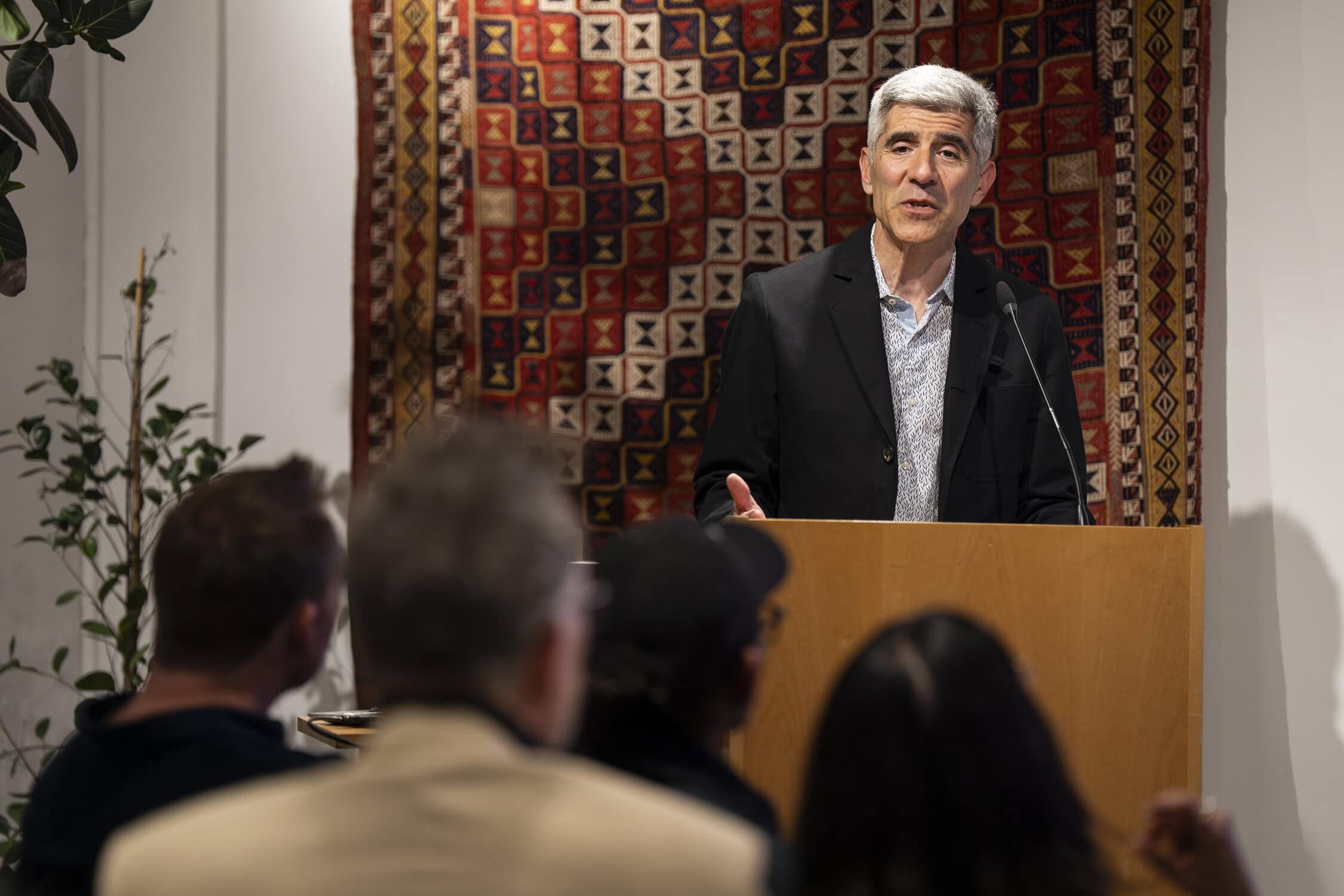
By Gregory Perry, CEO of Association for Art History.
Nearing the end of 2025, there are things to celebrate about art history and there are threats, endemic in the education sector, which combine to limit exposure to and engagement with the subject.
What is encouraging is the enduring interest in learning about and studying art in the face of unfavourable political, educational, and financial factors that together have created a difficult environment for engagement in the arts and humanities. Despite the vigorous efforts of the previous government to marginalise arts and humanities subjects, we have seen a year-on-year increase in the number of students sitting for the A-level history of art exam since 2019 with an aggregate increase of 42% from that year to 2025. Our nearly 5% increase from 2024 to 2025 outpaces the increase in all A-level subjects (2.2%) and for students sitting exams in the arts, humanities and social science subjects (1.6%)–at 838 taking the exam, we are at our highest number since 2016.
We have also seen that enrolment of new undergraduates to art history programmes has remained relatively steady in recent years, dropping by 2% since 2016/17 while, most discouragingly, new entrants to cognate humanities subjects such history, English, modern languages and theology/religious studies have gone down by an average of 33%.
The denigration of the arts and humanities has ceased under the present government, and we are very heartened by the recommendations in the Curriculum and Assessment Review published earlier this month which reasserts the centrality of the arts in our lives and as part of a well-rounded education. We are equally encouraged by the government’s positive response to the review, though funding questions remain, and we strongly oppose the withdrawal of bursaries for those studying to be teachers of art and design and the withdrawal of funding for state schools to teach the International Baccalaureate, thereby relegating this offer to students in the independent sector.
Two of the major challenges our subject faces are the lack of various diversity characteristics of those taking art history (socio-economic strata, race/ethnicity, geographic) and the financial straits that many universities in the UK find themselves in, leading to disproportionate reductions in arts and humanities subjects as compared to others.
These are both factors well beyond a subject association’s control, though the AAH is in the early stages of helping to reduce some of the barriers to accessing our subject at the primary and secondary school levels. More will be shared in the new year as these plans take shape. The financial pressures on universities will certainly be exacerbated by the levy charged to HEI’s on international students, a measure that was announced in the autumn budget.
Beyond the economic impact, the levy, and other measures to deter international student matriculation at UK universities—such as the reduction of the Graduate Route visa from two years to 18 months and the increase of the salary threshold for new Skilled Worker visas—signify an inward looking, isolationist mindset that is anathema to the humanities and to our subject.
We are all painfully aware that financial constraints at HEIs have led to staff redundancies, both voluntary and forced. Fewer staff teaching the same number of students puts more pressure on academics already burdened with the increased administration and HR-related responsibilities they have been given in recent years. In an attempt to help balance institutional and departmental budgets, some of the larger HEIs/departments have increased recruitment goals leading to a reduction of candidates who may have otherwise joined smaller, regional programmes. We have seen a concomitant migration of academics from smaller programmes to bigger ones, often not being replaced in kind at the HEIs they have left. This leads to a narrowing or elimination of the course offer in the regions, mostly affecting the choices of those from lower socio-economic strata and working against widening participation efforts more broadly in our subject.
In the face of these significant challenges in the arts and humanities, our subject continues to attract students at the A level and at the university level, and engagement with our discipline and with the AAH continues remains strong. The Association’s Art History Festival, meant to raise awareness of our subject to those outside of academia and the professions, has gone from 15 presenting partners and 3,700 attendees to 117 partners and over 43,000 attendees in five years’ time. We have reached our target audience and, according to our evaluations, have increased the knowledge of our subject. Interest in sharing research at the Association’s Annual Conference continues to increase, with this year’s event in York being nearly the biggest in our history and our upcoming event next April in Cambridge promising to double the size of our usual offering, with over 100 sessions.
The Association for Art History continues its vigilance on behalf of our subject, seeking ways to facilitate research, professional practice, teaching, and awareness of art history. We do this with the help of many volunteers from various sectors of our field who work with us to ensure the continued health of our subject. As the year comes to a close, we want to express our great thanks to those colleagues who share our concern for art history and whose enthusiasm and dedication have been an inspiration to all of us at the AAH.
Read the AAH’s full report on the Access to Art History Study at the Pre-University LevelAccess to Art History Study at the Pre-University Level.